
Finding the Right Piece: Laurin VanBeukering on Art
October 16, 2026
Workshop/APD art advisor Laurin VanBeukering brings a thoughtful, highly personal approach to her selections, considering each piece in conversation with the architecture, interiors, and the people who live with it. From scale and placement to color, context, and client taste, her process is rooted in finding artwork that feels intentional rather than simply decorative. In this spotlight, Laurin shares how art becomes part of the broader design process, how she discovers distinctive artists, and why the strongest collections are the ones that feel personal to the people who live with them.

Laurin VanBeukering
Art Advisor
When you’re selecting art for a space, what are you looking at first?
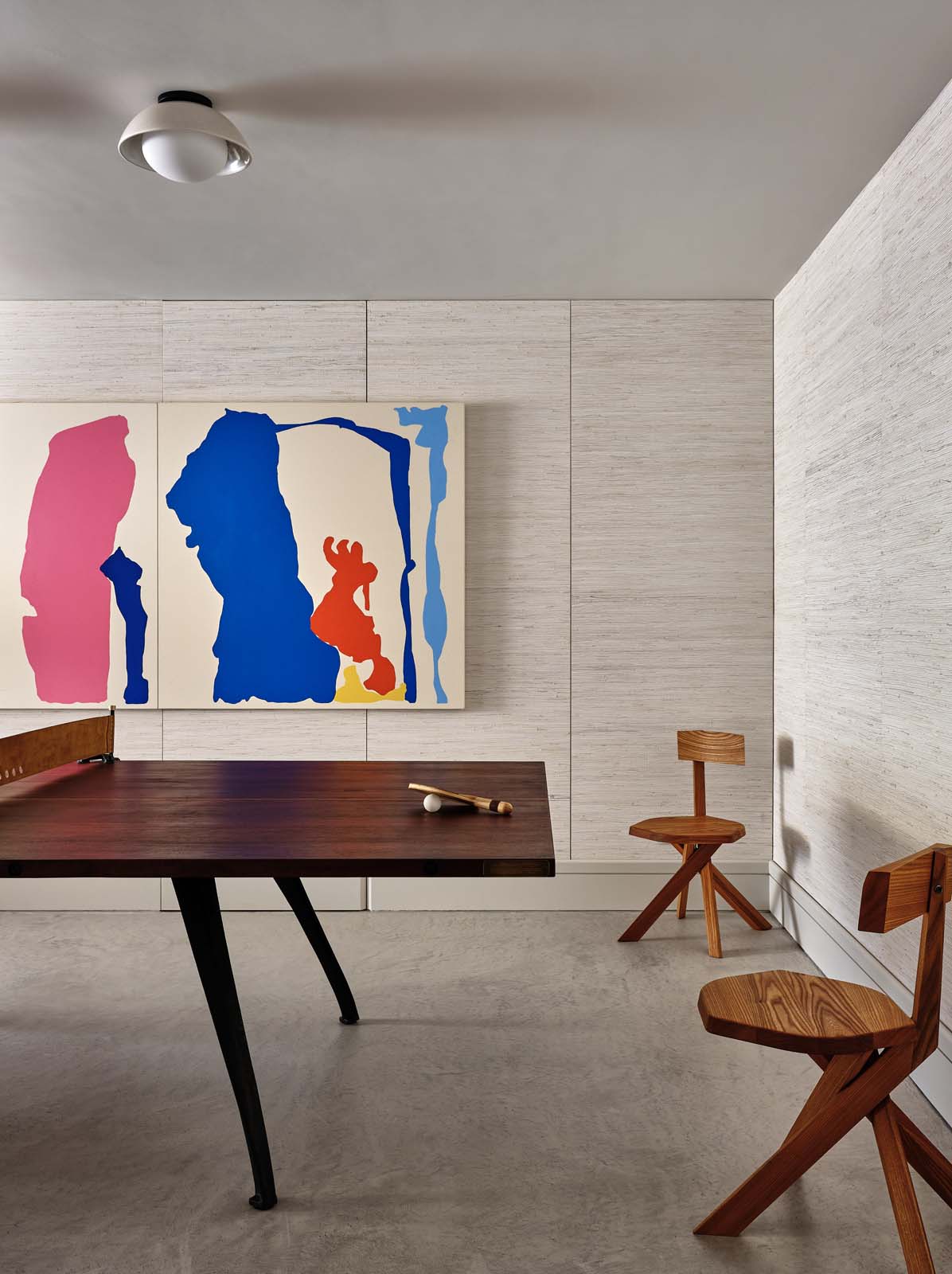
Scale and context are really important. I’m looking at the key placements within the room and thinking about what feels natural rather than forced. A relaxed screened porch, for example, needs something very different from a billiards room, where the artwork can be a little more playful. Ultimately, I want the piece to feel like it belongs there and makes sense within the way the room is meant to be lived in.
How much do the architecture and interiors influence the art you select?
The architecture and interiors have a significant influence because we’re looking at the home as a whole. The artwork should feel connected to the overall design while still resonating with the client personally. My role is often to find that balance between what works for the space and what the client genuinely loves. At the end of the day, it’s their home, so the art should feel meaningful to them.
Does the art need to tell the same story as the room, or can it have a story of its own?
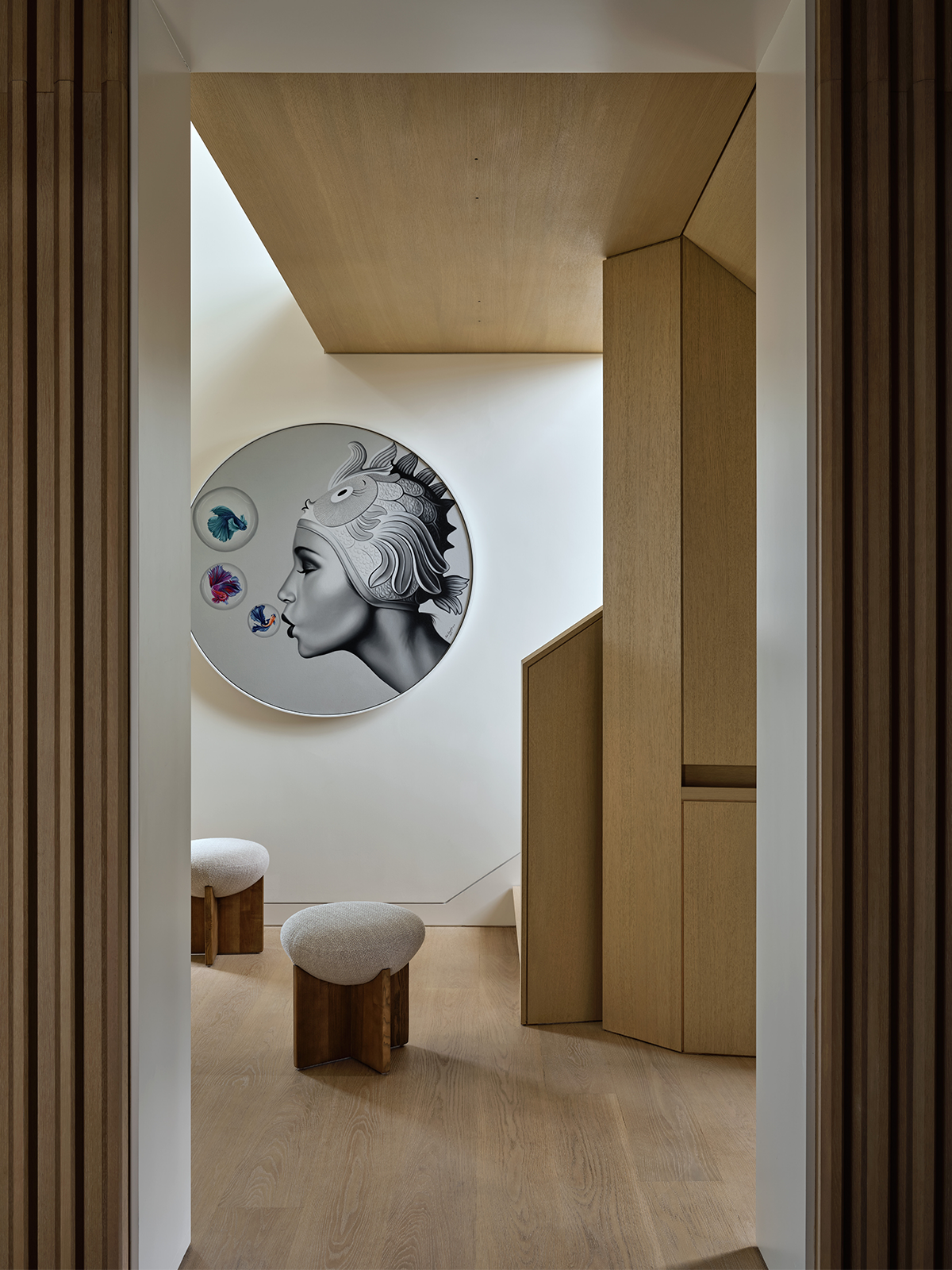
It can be both, depending on the space. In a lounge or entertaining area, we might want the artwork to become a conversation piece and give people something to engage with. In a dining room, there may already be a chandelier or another design element taking the lead, so the artwork can play more of a supporting role. It’s really about understanding what the room needs and how the art can contribute to that experience.
How do the colors and materials in a room influence the art you select?
They absolutely influence the selection, but I never want the art to feel overly coordinated with the room. If there’s a strong color or material story, I’ll take that into consideration without simply repeating what’s already there. Sometimes contrast is actually more effective. We worked on a blue, color-immersive room where the client gravitated toward a white and orange piece, and because it was so unexpected, it gave the artwork its own presence while still feeling right for the space.
At what point in the design process should art enter the conversation?
Ideally, art should enter the conversation fairly early, especially when it’s going to play a meaningful role in the home. If we’re considering a dimensional piece or a more immersive installation, it can influence furniture placement, lighting, wall treatments, and how the surrounding space is planned. Bringing art into the process early allows those decisions to work together, rather than trying to fit a piece in once everything else is already resolved.
When you’re selecting art throughout an entire home, how do you make it feel like a collection rather than a series of individual pieces?
I always want the artwork throughout a home to feel collected rather than overly coordinated. I don’t want every piece to come from the same gallery or fall into the same style. There should be variety, but still a sense of connection. The pieces don’t need to look alike to belong together; what matters is that they feel personal to the client and considered within the home as a whole.
Do you pay attention to art and design trends when you’re sourcing?
For me, it’s less about following trends and more about understanding the client and the overall direction of the project. Some clients are drawn to what feels current, while more established collectors may be more interested in an artist’s history, story, or body of work. My own taste isn’t really the focus; the goal is to understand what resonates with the client and find pieces that feel personal to them while still working within the space.
How do you discover artists and pieces that keep each project feeling unique?
I like finding artists who aren’t already everywhere. That often takes a little more research, whether I’m reviewing portfolios, visiting art fairs, or discovering someone I may never have come across online. Sometimes those relationships require more coordination, but if the work feels right for the project and brings something distinctive to the space, it’s worth the extra effort. My goal at Workshop/APD is for each project to feel individual, and the art and accessories should reflect that same level of intention.
What advice would you give someone who wants to start collecting art but doesn’t know where to begin?
Start by figuring out what you actually like and what you feel connected to. Art can certainly be an investment, but if you’re building a collection for your home, you should genuinely love the pieces you’re buying. That connection might come from the work itself, the artist’s story, or something they support that’s meaningful to you. A collection should feel personal, and even something unexpected can work beautifully when there’s a reason behind it.