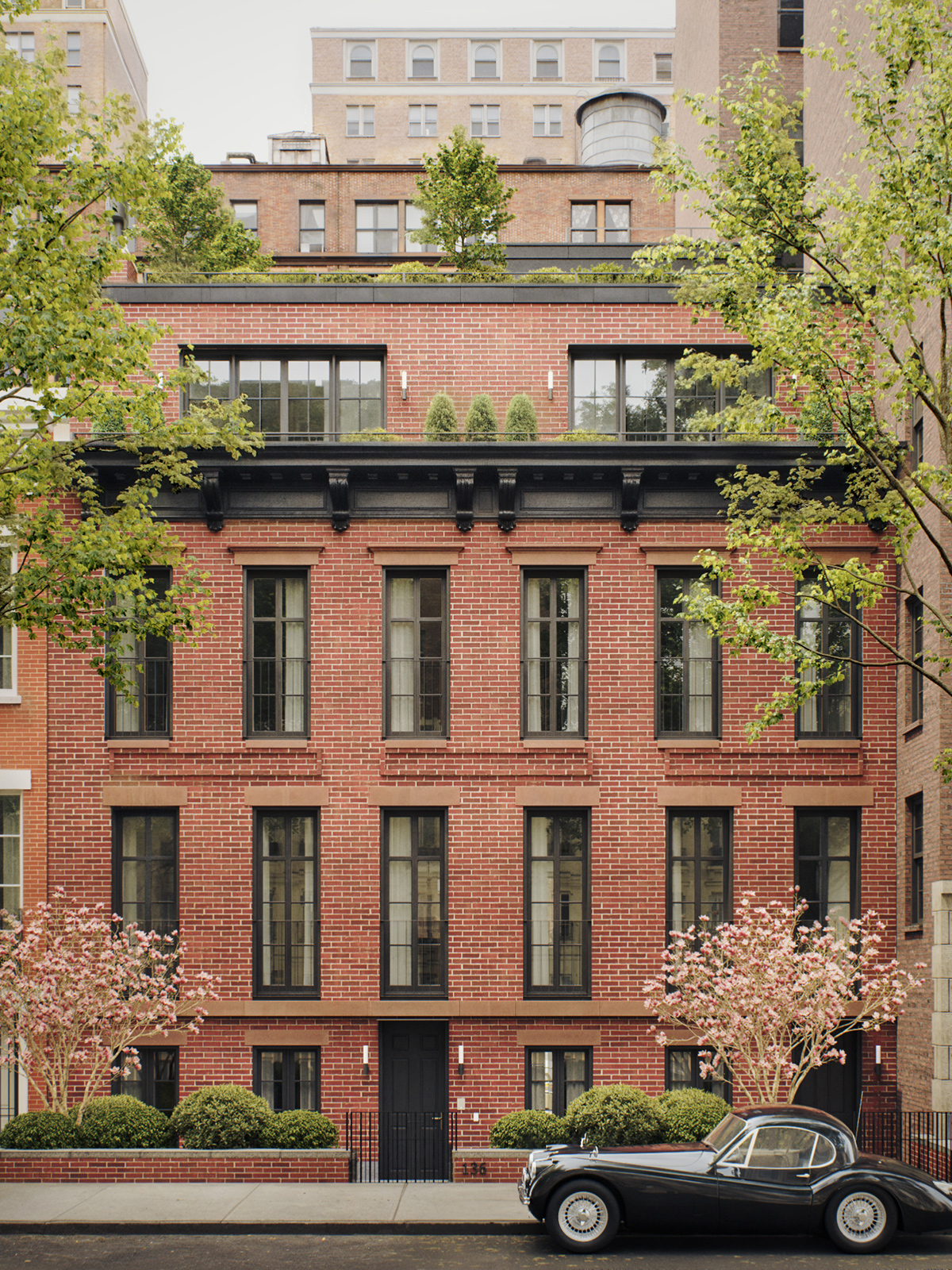
10 with the Team: Khuyen Luong
October 12, 2026
We sat down with Project Manager Khuyen Luong to talk about the balance between creative and technical thinking and what it takes to carry an idea through construction. Along the way, he reflects on how his approach has evolved and the role new technology plays in the way architects work today.

Khuyen Luong
Project Manager
What first drew you to your field, and what keeps you excited about it today?
What drew me to architecture was balance between creativity and technical thinking. I love developing an idea, but I’m just as interested in understanding how it can actually be built. Seeing that idea become something real is till what keeps the work exciting for me.
How does your mind work when you’re approaching a design problem are you more visual, analytical, or a mix of both?
I’m pretty evenly split between creative and logical thinking. Even when I’m looking at something beautiful, I’m usually wondering how it was made and what had to happen behind the scenes. I naturally think ahead to how an idea will ultimately get built.
When you start a new project, what’s the first thing you pay attention to?
Existing conditions always come first. I want to understand the site and its surroundings, along with what the client is hoping to achieve. Those conditions start shaping the project before you’ve really designed anything. From there, you begin testing where the building belongs. A tree worth preserving might shift its placement, while a neighboring condition can influence where you want to look. I like that early stage because the site is already giving you clues.

How would you describe your creative perspective in your work?
As a project manager, I’m not always the person leading the design, but I still use that creative side every day. A big part of my role is helping the team think ahead and making sure an idea carries through documentation and construction. That becomes especially important on site, when a decision has to happen quickly. I need to understand the original intent well enough to sketch through a problem and find a solution that keeps the design moving forward.
How has your approach changed as you’ve grown in your career?
I’ve learned not get too attached to the first idea. My brain moves quickly, so if something isn’t working, I’m usually already thinking about another way forward. I’ve also learned when to slow down. The decisions I make now affect a larger team and the project as a whole, so there’s more responsibility behind them.
Is there a best season to start building?
In the Northeast, timing does matter because so much of the building is exposed to the weather early on. Ideally, you want the foundation in before winter, so fall can be a good time to start. From there, the goal is to get the building enclosed by the following fall. Once it’s protected from the weather, interior work can continue through the winter with much more flexibility.
Is there a tool, skill, or creative practice you’re currently exploring?
AI can be useful for quick visualization, but I’m still very hands-on in the way I work. I like sketching because it forces you to understand what you’re drawing and make decisions along the way. For me, technology works best as another tool rather than a replacement for that process. I still want to understand why something works, not just see the finished image.
What challenge, idea, or question has been occupying your mind lately?
I think a lot about how people understand the value of architecture, especially now that AI can produce compelling images so quickly. A good image isn’t the same thing as a resolved building. Good architecture takes time because an idea has to work in the real world. The challenge is making sure the value of that process doesn’t get lost as the tools around us change.
Where do you find inspiration outside the office?
Honestly, sometimes the best inspiration comes from taking a break from architecture altogether. Going to galleries is one of my favorite things to do, especially exhibitions that bring technology into the experience. I’m drawn to work that moves or changes around you. It gives your mind more room to wander and leaves more open to interpretation. That’s usually what stays with me.
What might people be surprised to learn about you?
I’m a big daydreamer. My brain is always moving, usually toward whatever idea comes next. I’m also very adaptable in the kinds of projects I enjoy. I can move from a townhouse to an apartment or a ground-up home without feeling tied to one particular style. What interests me is figuring out what each project needs.