How We Detail: Cedar Shingles
Each Workshop/APD home is shaped by countless design decisions. While some may seem to go unnoticed they have a lasting impact on how the home performs, ages, and is experienced. How We Detail offers a behind-the-scenes look at the architectural details, material selections, and construction strategies that define our work. Each edition explores a single detail, revealing how thoughtful design transforms technical precision into timeless architecture.
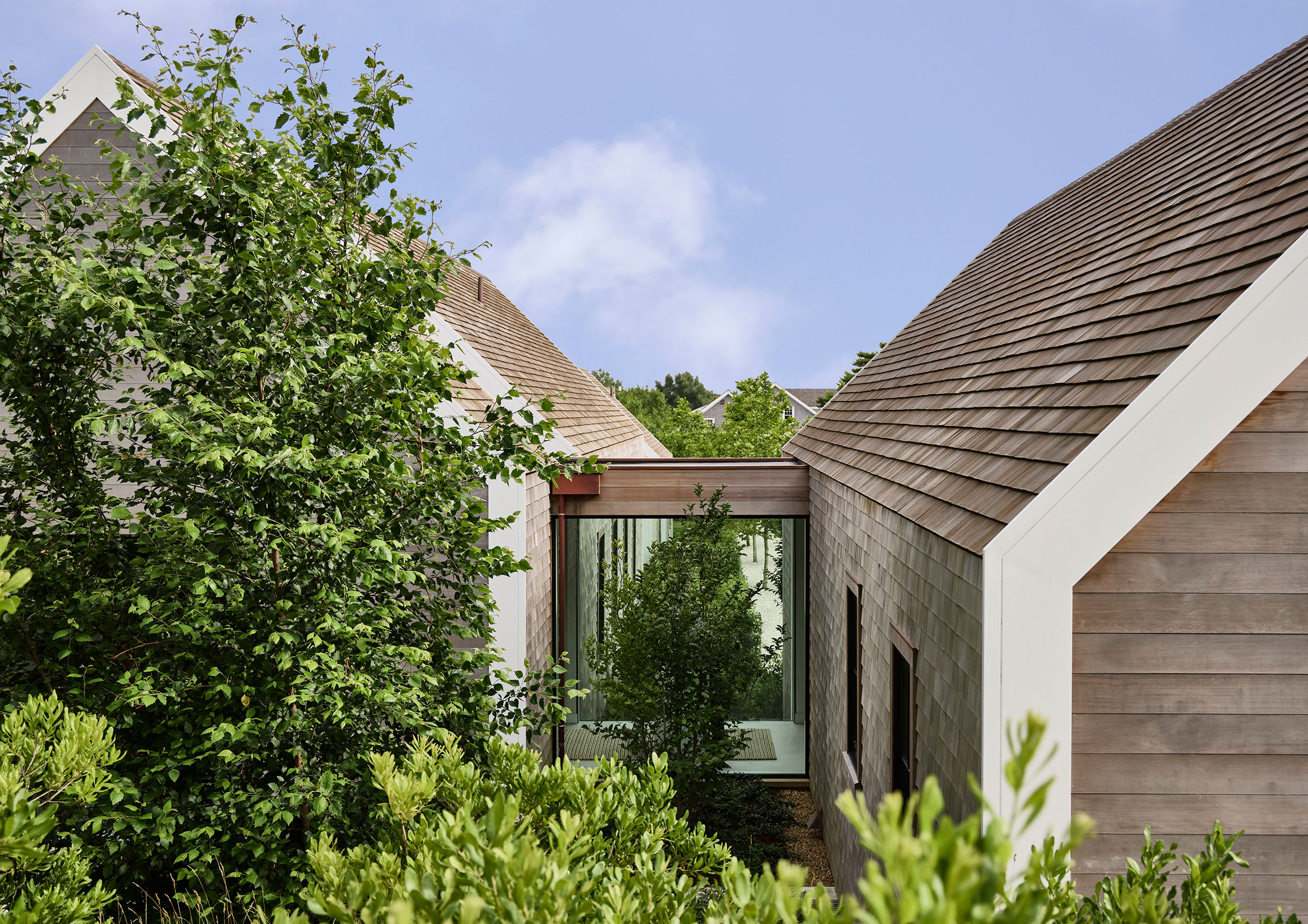
Cedar shingles are widely admired for the quiet beauty they bring to a home. Their soft texture, natural variation, and ability to weather gracefully have long defined coastal architecture. What many people don’t see is the level of thought required to make them feel so natural. Each decision, from the species of cedar selected, to the way the shingles wrap a corner or meet the roof contributes to the character of the exterior and influences how the home performs, weathers, and endures over time.
Cedar shingle – de riguer for Nantucket homes – are also versatile, timeless exterior choice off-island. While they appear simple, every aspect of their design is resolved long before construction begins. Material selection, exposure, thickness, and installation all shape the appearance of the facade and how it develops over time. Together, these decisions influence shadow, proportion, and the overall architectural expression of the exterior.
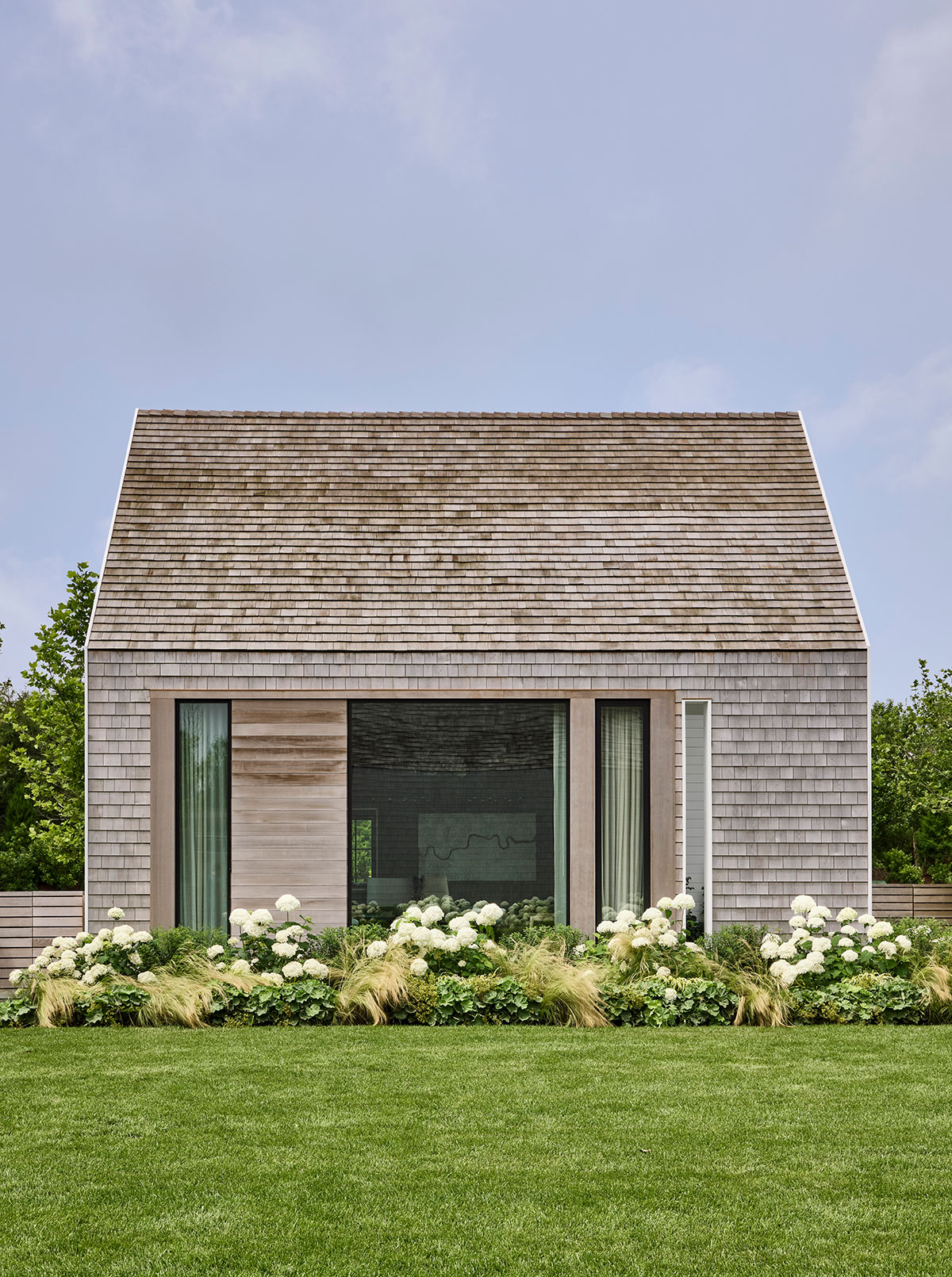
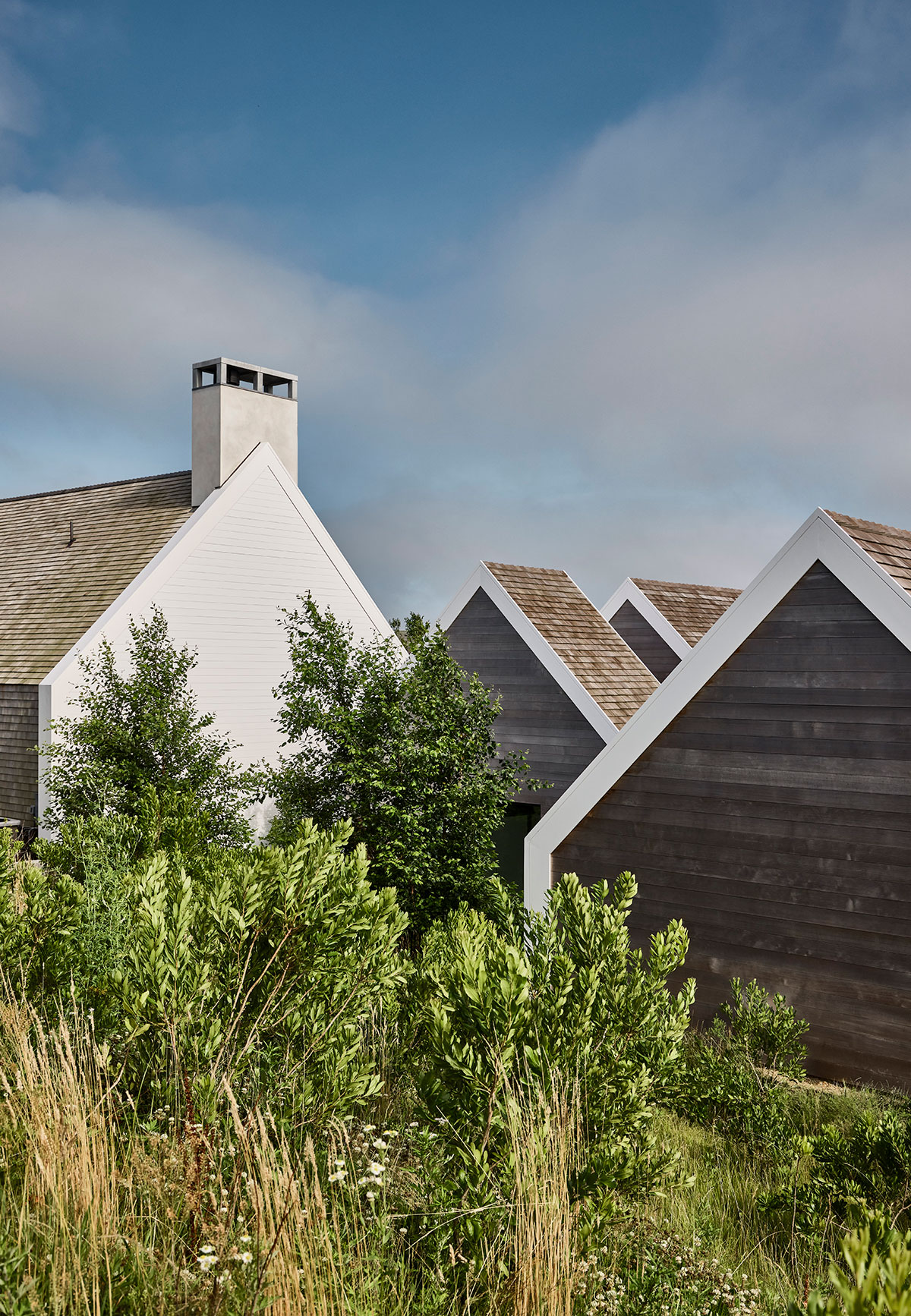
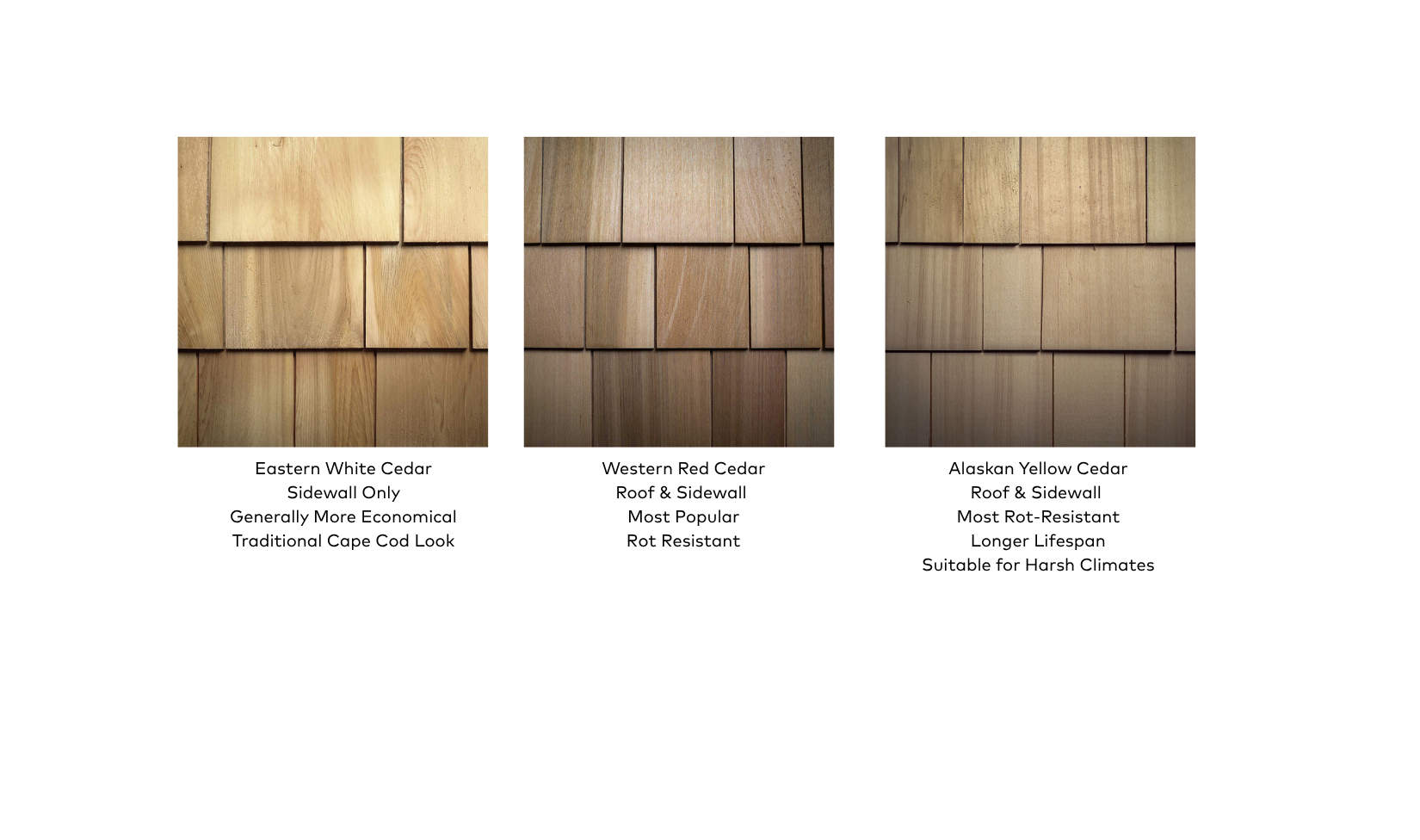
Every decision shapes the exterior’s appearance and longevity. The species selected influences how the shingles weather and the character they develop over time. Exposure determines how much of each shingle is revealed and how the facade is perceived from a distance. Material thickness influences depth and shadow while informing the scale and proportion of surrounding architectural details.
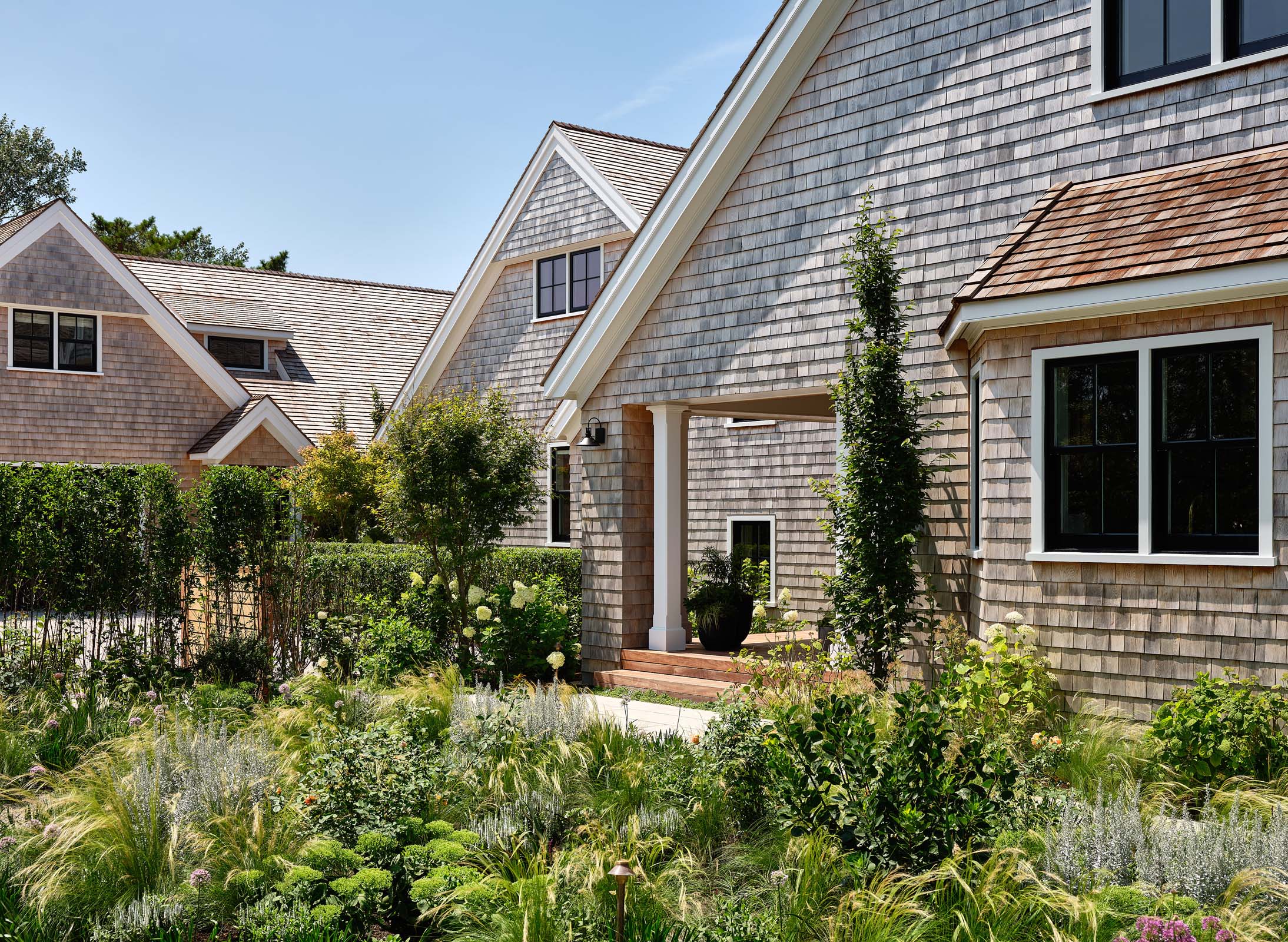
“These are both aesthetic decisions and practical decisions. We're not just choosing a finish. We're thinking about how the shingles will weather, how they'll be detailed, and how they'll contribute to the overall character of the home.”— Michael Luft Weissberg
That level of intention extends beyond the shingles themselves. Every detail must be coordinated so the exterior reads as a unified composition. At woven cottage corners, multiple layers of cedar create additional build-up that must be anticipated early in the design process so windows, doors, and adjacent materials align precisely. Even a difference of a fraction of an inch can influence how the exterior is assembled.
Those decisions are the product of close collaboration between architects, technical teams, and builders. Standard details establish the foundation, but every project is refined to respond to its architecture, climate, and construction methods. Material selections are evaluated alongside weather exposure, drainage, construction sequencing, and craftsmanship to ensure the exterior performs as intended while maintaining its visual integrity over time.
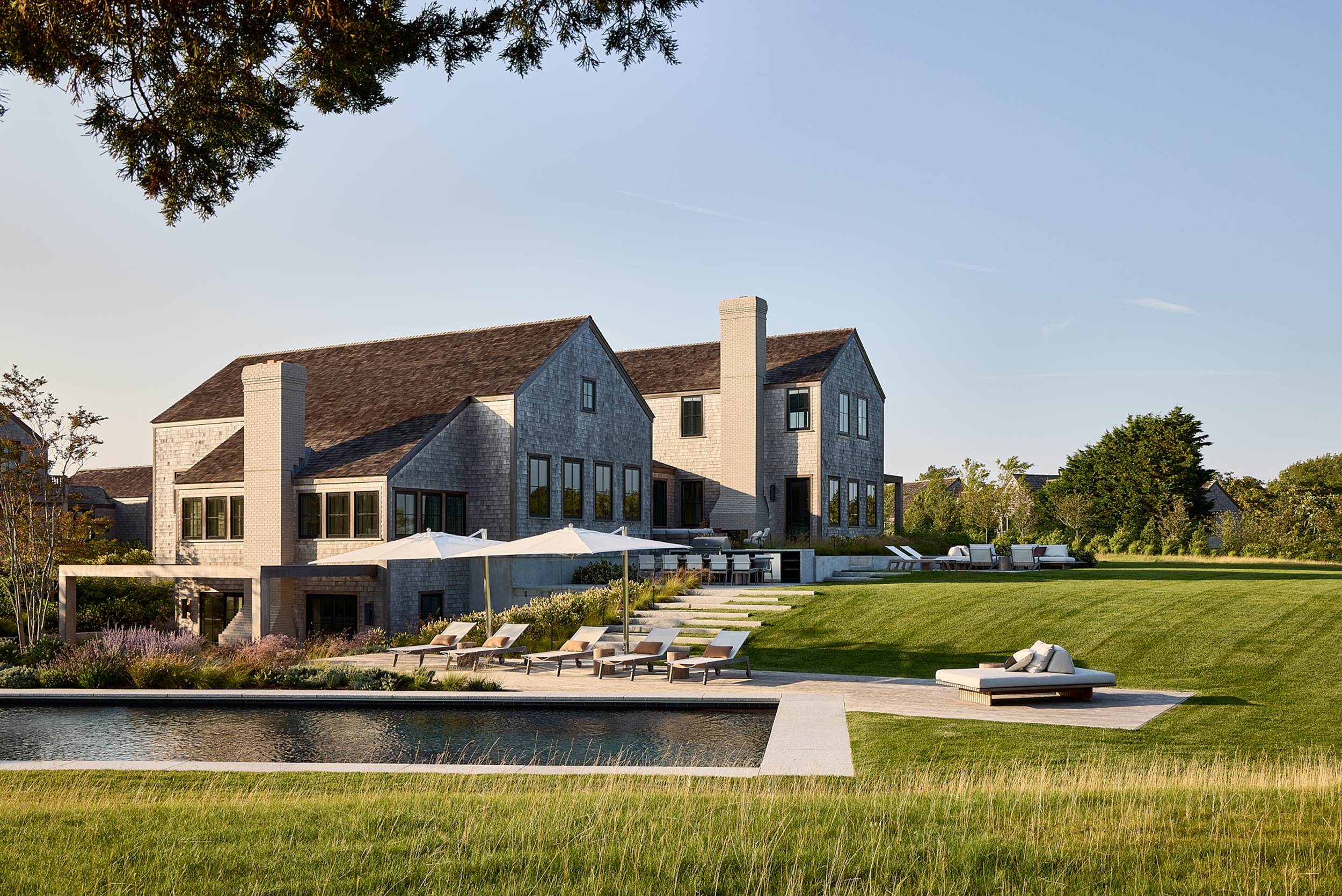
Designing with cedar also means designing with time. Unlike manufactured materials that remain visually static, cedar continues to evolve long after installation. Warm golden tones gradually soften into a silvery gray, creating the patina that defines many of the coastal homes we design. Understanding how different species weather, how protected and exposed surfaces age at different rates, and how future repairs may appear allows us to embrace change as part of the design rather than something to resist.