BTS: Interior Design, Sourcing & Visualization
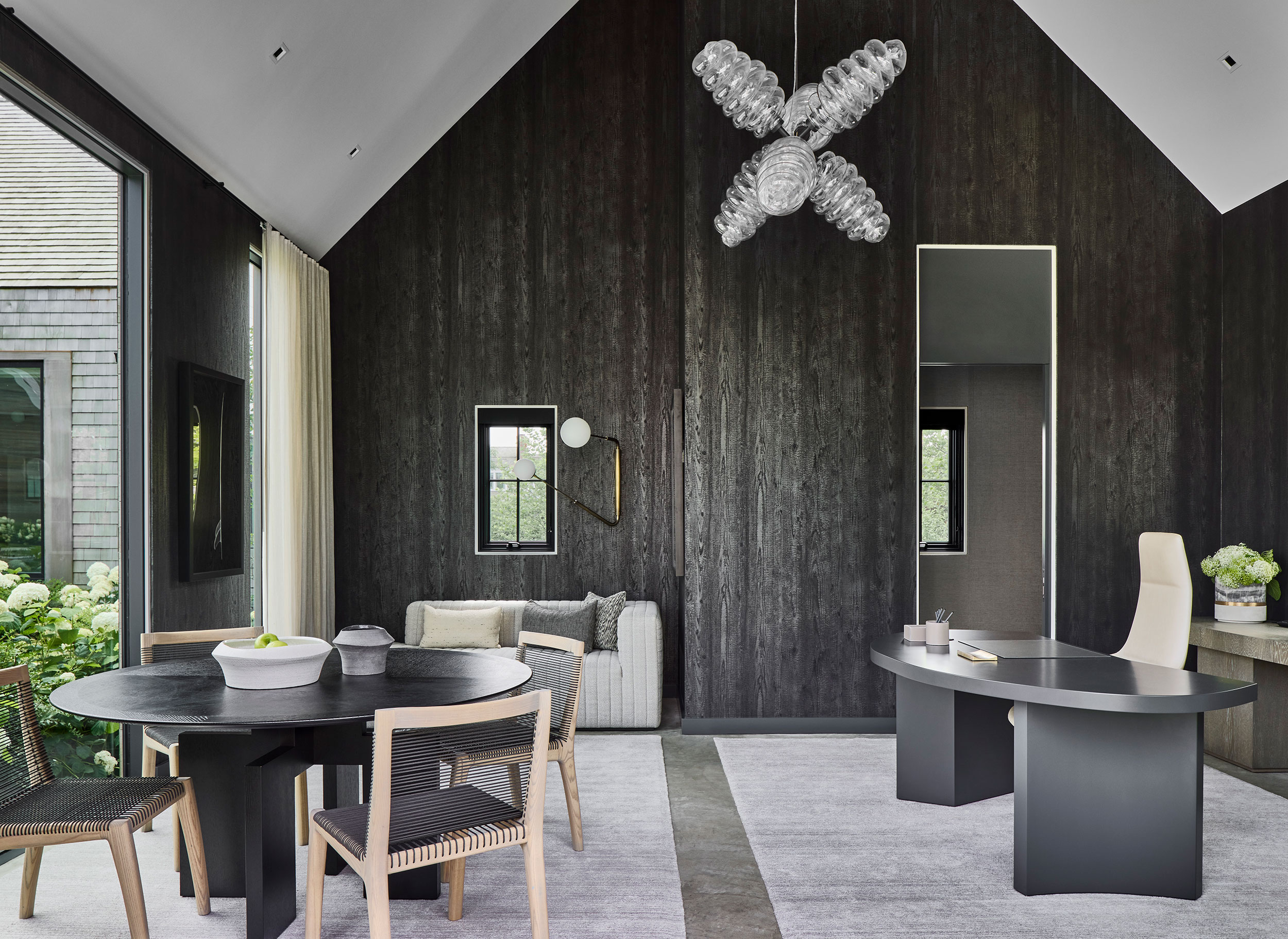
Have you ever wondered how designers curate and balance spaces so they feel effortlessly crafted? Interior Design Manager Deana Della Cioppa, alongside Interior Designer Maddie Perry, walks us through her team’s approach to sourcing, revealing the steps, decisions, and refinements that shape each space. From material selection to visualization, every choice is made with intention, creating interiors that feel grounded, harmonious, and naturally inviting.
Materials Ground the Vision
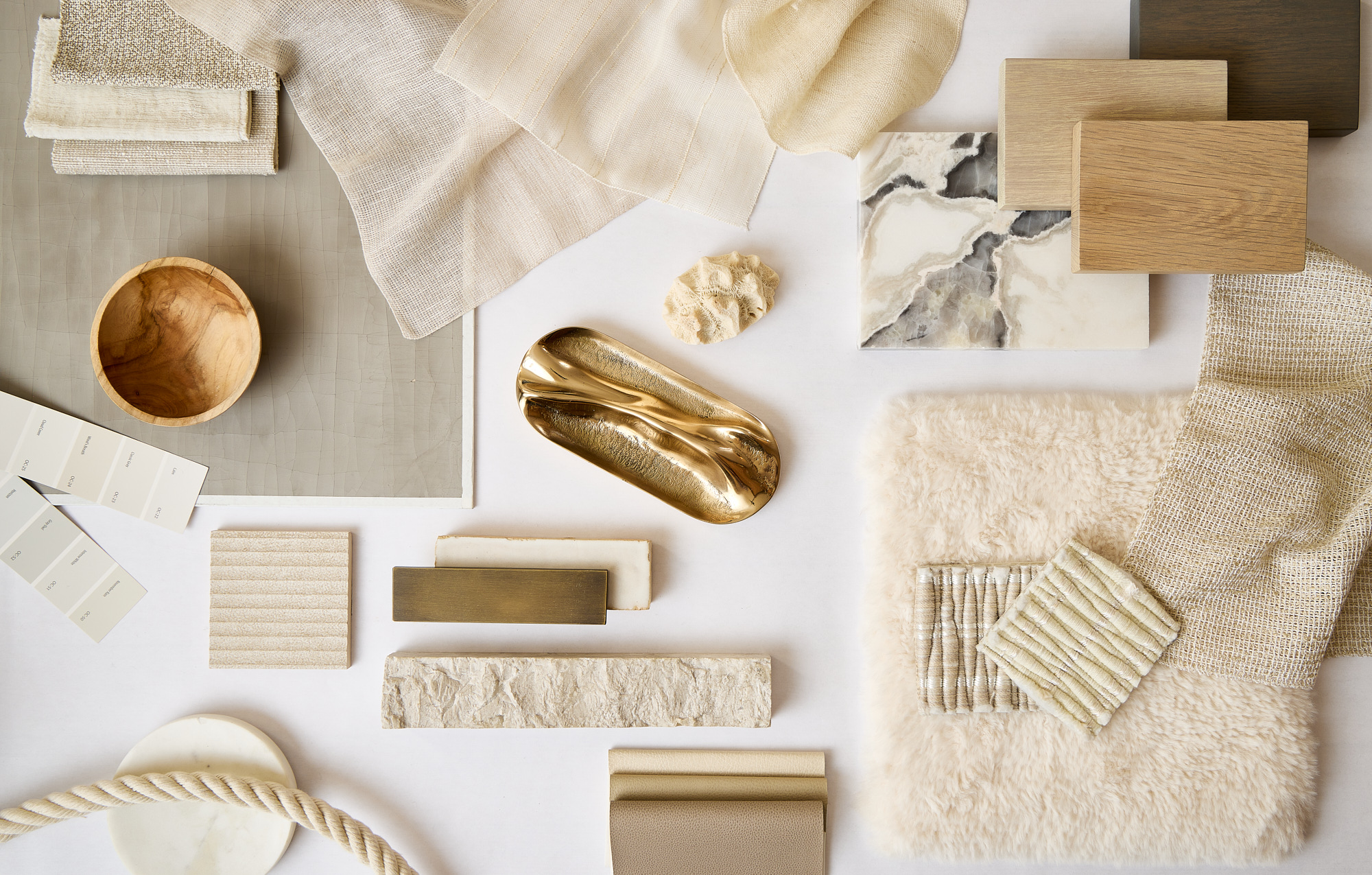
Material selection is the moment when vision becomes tangible and direction is established. Foundational materials are documented within a dedicated materials page that captures every fabric, finish, and surface defining the project’s identity. As the design evolves and additional spaces are layered in, this page acts as a visual anchor throughout the process. It continuously reinforces the palette and language that guide all subsequent decisions. Beyond aesthetics, material selection is rooted in practicality and longevity. Each fabric and finish is evaluated for performance, maintenance, and how it will support daily living over time. Durable options like wool rugs are often prioritized for high‑traffic areas, while more delicate materials are used selectively or avoided where wear is likely. These choices reflect an understanding that a home must function as beautifully as it looks.


Mock-Ups Communicate the Vision
At key moments, the team moves beyond samples and into carefully crafted mock‑ups. While a wallpaper or textile may be compelling on its own, its true impact is only understood when seen at scale and in context. Tailored renderings allow clients to clearly grasp proportion, texture, and intent. These visual studies help translate fragments into complete compositions that feel deliberate and resolved.
Visualization & Flexibility
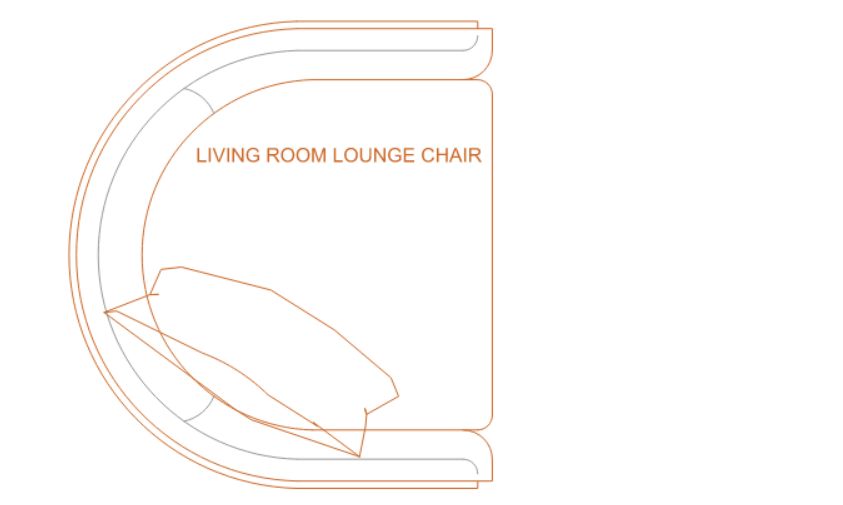
Furniture often presents the greatest challenge when it comes to visualization. Individual pieces can feel abstract until they are shown together in scale and proportion within a space. When the project scope and timeline allow, Furniture, Fixtures, and Equipment (FFE) renderings are created to illustrate how elements interact cohesively. In other cases, curated groupings, lighting studies, and reference imagery communicate intent with clarity and efficiency. Cohesion across a home requires a careful balance between consistency and variation. Each room is treated as its own environment, shaped by its purpose and desired atmosphere. Rather than repeating elements exactly, designers work within a broader palette of colors, textures, and moods to maintain flow. This approach allows each space to feel distinct while remaining part of a unified narrative.

Rinse, Refine, Repeat
What ultimately defines this process is its human‑centered perspective. Design is treated as an evolving dialogue that benefits from time, instinct, and iteration. From the uncertainty of a blank space to the clarity gained through refinement, each step builds toward alignment. The goal is not perfection, but interiors that feel intentional, livable, and deeply connected to the people who inhabit them.